Best Books I Read & Loved in 2025
Posted on January 1, 2025 by Sewfrench
Twenty books. Four genres. A reading year shaped by voice, clarity, and emotional truth.
Disclosure: This post contains Amazon affiliate links. If you buy through them, I may earn a small commission at no extra cost to you.
I read widely in 2025, but these were the books that stayed with me — for their voice, emotional depth, and the way they quietly reshaped how I see the world. Many of these titles also appeared on major Best Books of 2025 lists, which only confirmed what I felt as a reader.
Biography / Memoir
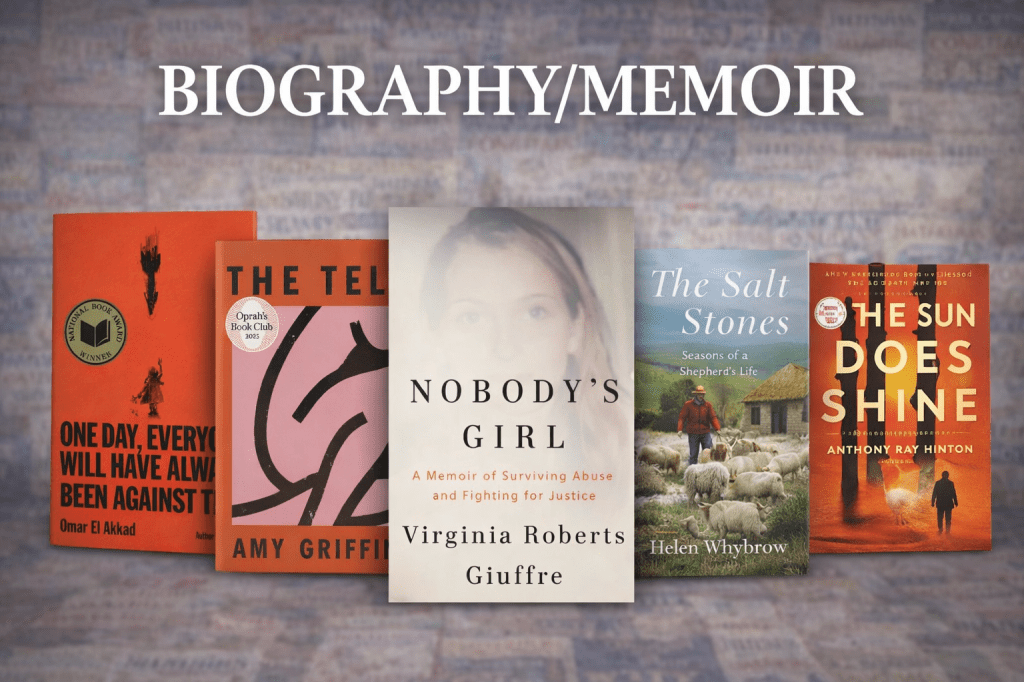
- Nobody’s Girl: A Memoir of Surviving Abuse and Fighting for Justice — Virginia Roberts Giuffre
A devastating and courageous memoir about being silenced—and finally being heard. - The Tell— Amy Griffin
A fearless, unforgettable memoir about uncovering the truth that finally sets you free. - The Salt Stones: Seasons of a Shepherd’s Life — Helen Whybrow
A lyrical, deeply felt memoir about life, land, and the profound bonds between humans and the natural world. - One Day Everyone Will Have Always Been Against This — Omar El Akkad
Cuts deep with its razor-sharp moral clarity. - The Sun Does Shine: How I Found Life and Freedom on Death Row — Anthony Ray Hinton
A powerful memoir that turns wrongful imprisonment into a testament of resilience.
Nonfiction
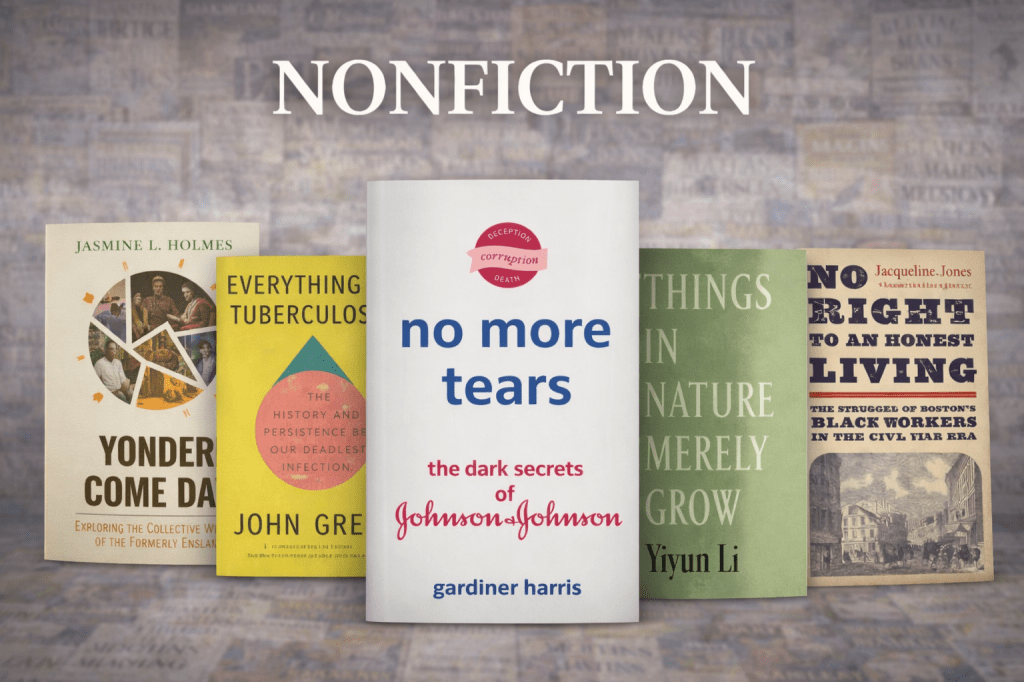
- No More Tears — Gardiner Harris
True horror. Very difficult to read and also to not put down. - Everything Is Tuberculosis — John Green
An eye-opening look at how tuberculosis exposes the human cost of global inequality. - Things in Nature Merely Grow — Yiyun Li
A heartbreaking, deeply human testament to living with parental pain that never leaves. - Yonder Come Day — Jasmine L. Holmes
A devastating and necessary portrait of slavery told through the people who actually lived it. - No Right to an Honest Living — Jacqueline A. Jones
An illuminating study of pre–Civil War Boston, where freed slaves forged community and leadership amid shifting social and economic pressures
Fantasy
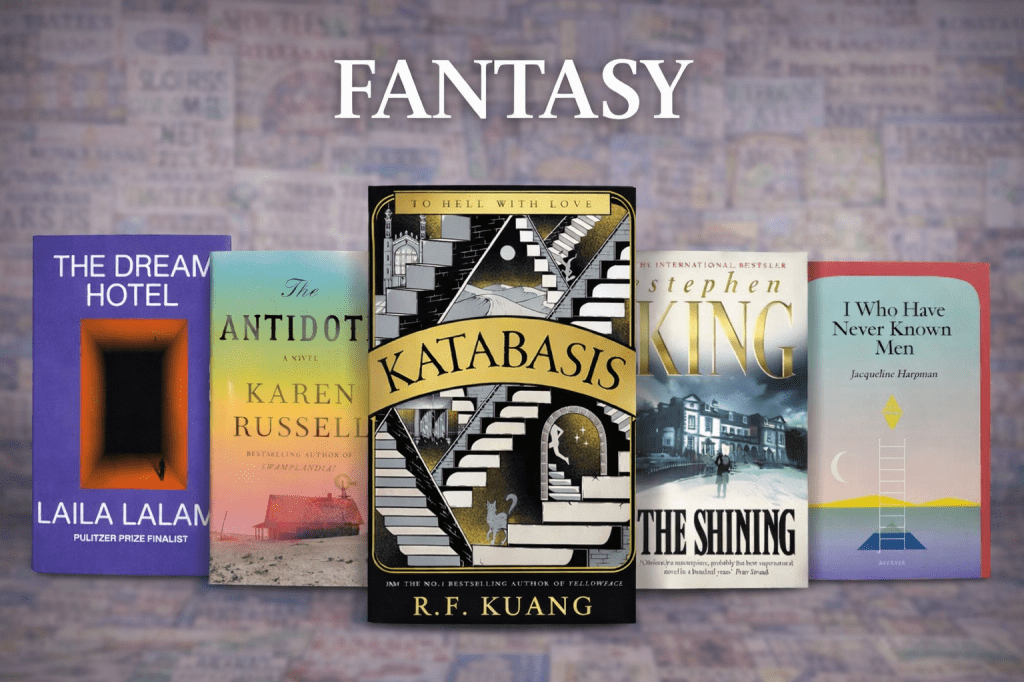
- Katabasis — R.F. Kuang
Holy hell—Kuang didn’t just write a book about descending into the underworld; she built a new one, and I honestly think future authors will be measuring their hells against hers. - The Antidote — Karen Russell
At its heart, this hopeful novel is about memory—lost, uncovered, and newly made. It is a deeply moving and transformative read. - The Shining — Stephen King
A masterfully eerie, psychological horror that turns a lonely mountain hotel into a chilling exploration of fear and unraveling sanity - The Dream Hotel — Laila Lalami
A sharp, unsettling tale of surveillance that reaches into the unconscious. Once you read it everything is The Dream Hotel. - I Who Have Never Known Men — Jacqueline Harpman
A deeply affecting story that questions identity, isolation, and what makes us human.. It’s a slim book, but its impact lingers long after the last page.
Fiction
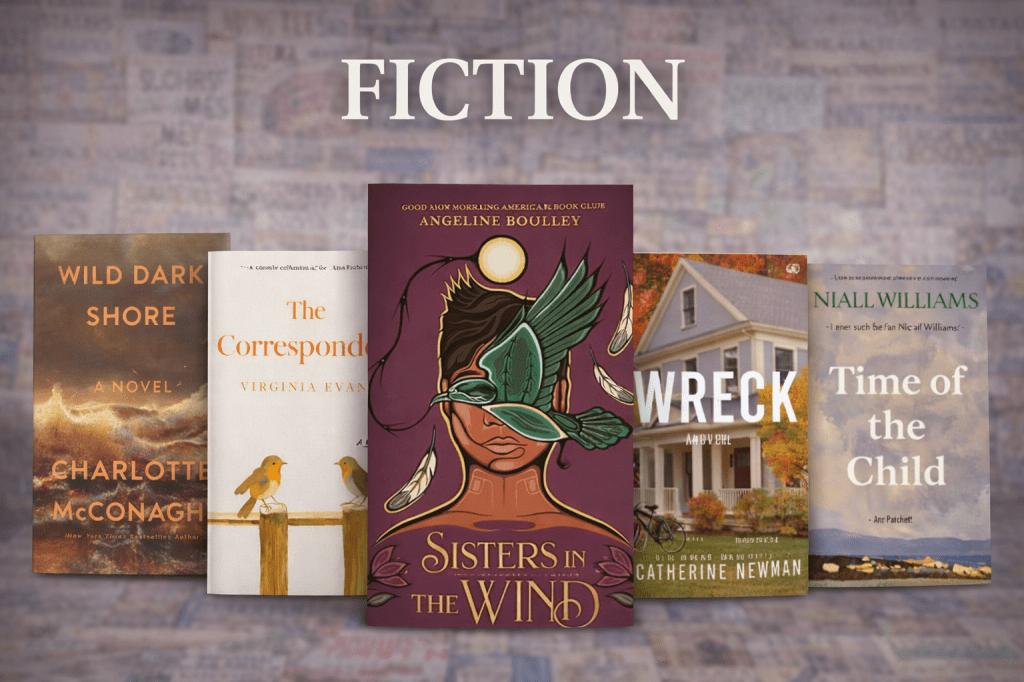
- Sisters in the Wind — Angeline Boulley
A haunting, page-turning story that deepens your understanding of identity, resilience, and the real stakes of ICWA for Indigenous youth. - The Correspondent — Virginia Evans
The kind of book that makes you want to send letters just for the excuse to buy fancy paper. - Wreck — Catherine Newman
Every page rings with emotional truth, tracing motherhood, family bonds, and grief with rare clarity. - Wild Dark Shore — Charlotte McConaghy
A haunting, beautifully written page-turner about love and survival against a brutal natural world. - Time of the Child — Niall Williams
A lyrical, deeply moving portrait of love and quiet miracles in a small town told as only an Irish writer can!
These top twenty books didn’t just fill a reading year — they shaped it.
I read 112 books this year, and I keep a running list on Goodreads if you’d like to follow along.
If you’ve read any of these, I’d love to know which ones stayed with you, too.








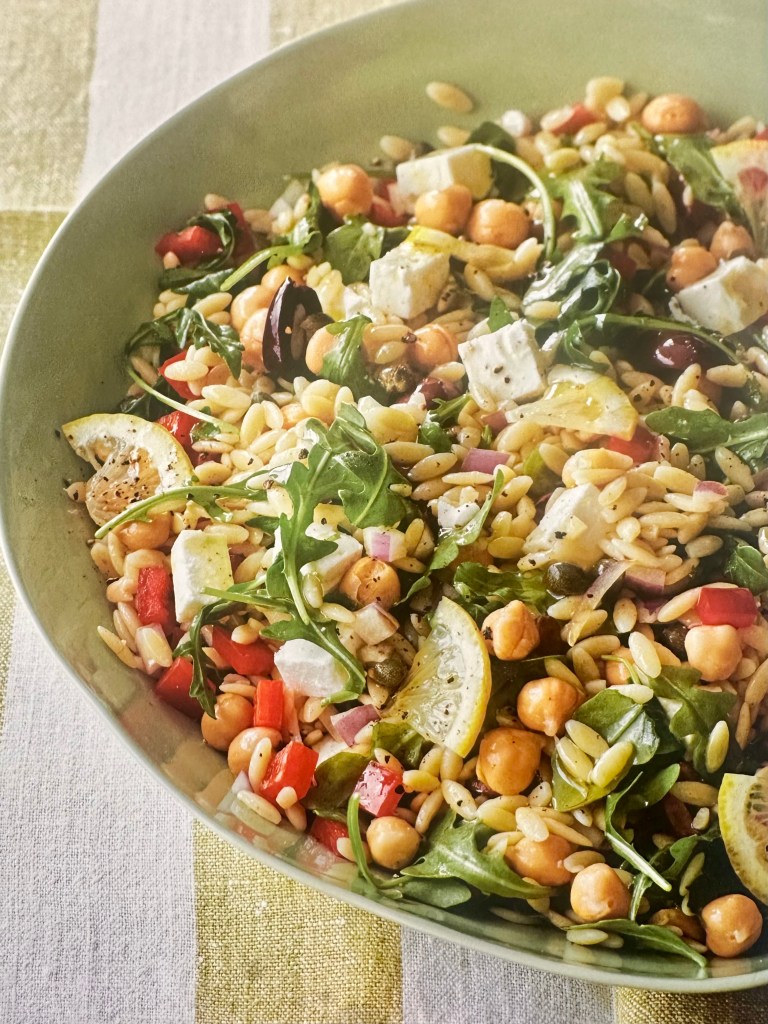
 After having first had this at one of the many school potluck dinners we have participated in, over the years, it quickly became a family favorite. Usually served alongside barbecue, burgers, or generally most any summer meal. We have since starting making it year round as an easy snack, lunch, or appetizer salad. It’s one of the easiest ways to get raw vegetables into someone who doesn’t generally eat his 5-7 servings a day, because he loves this!











































 Sewfrench